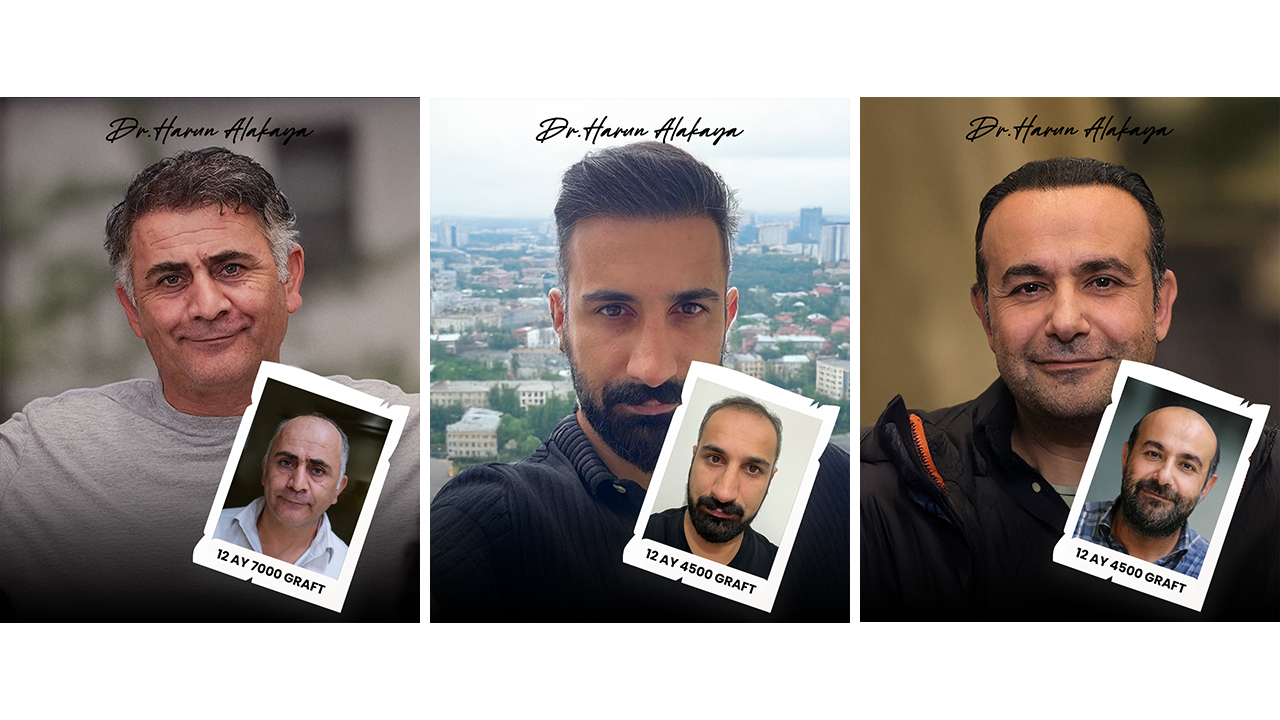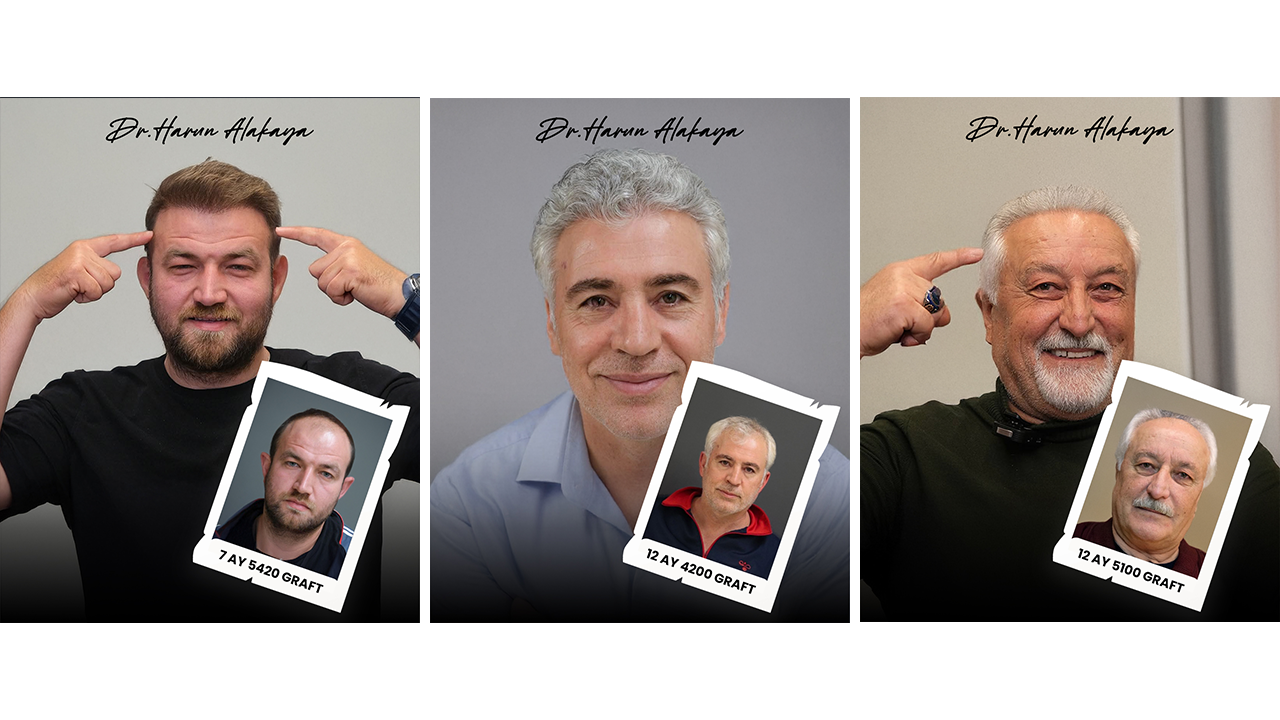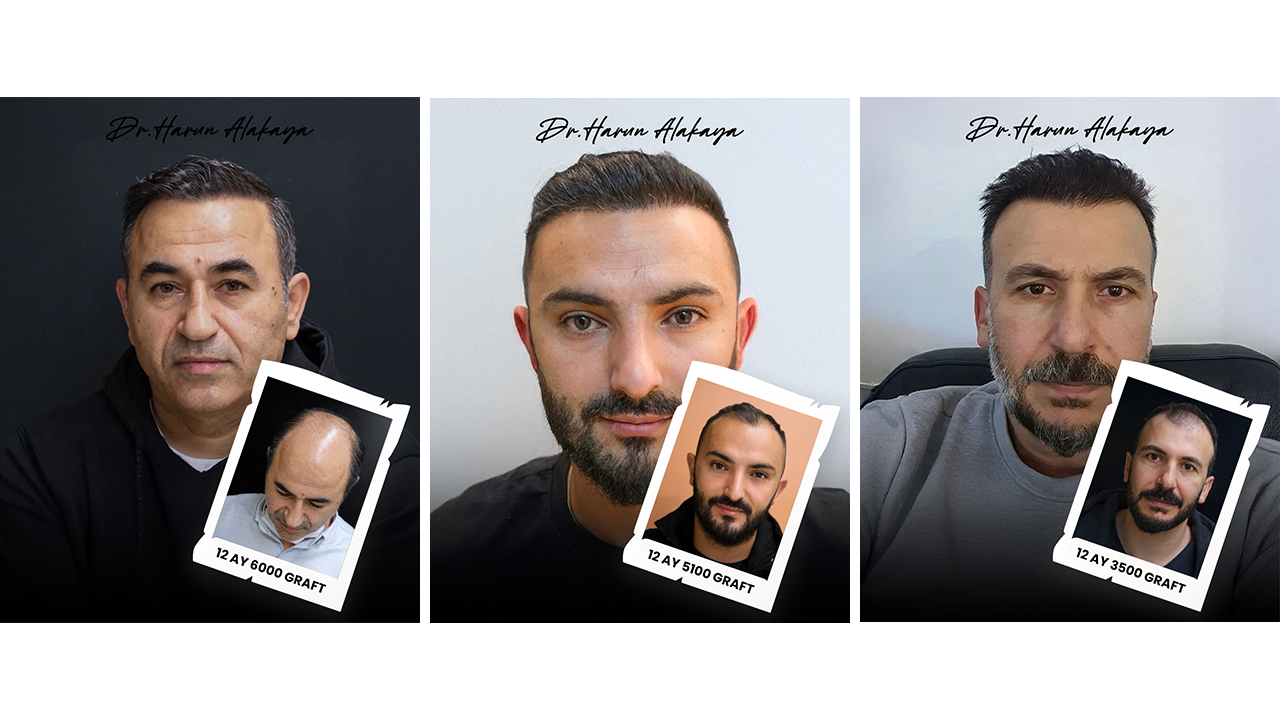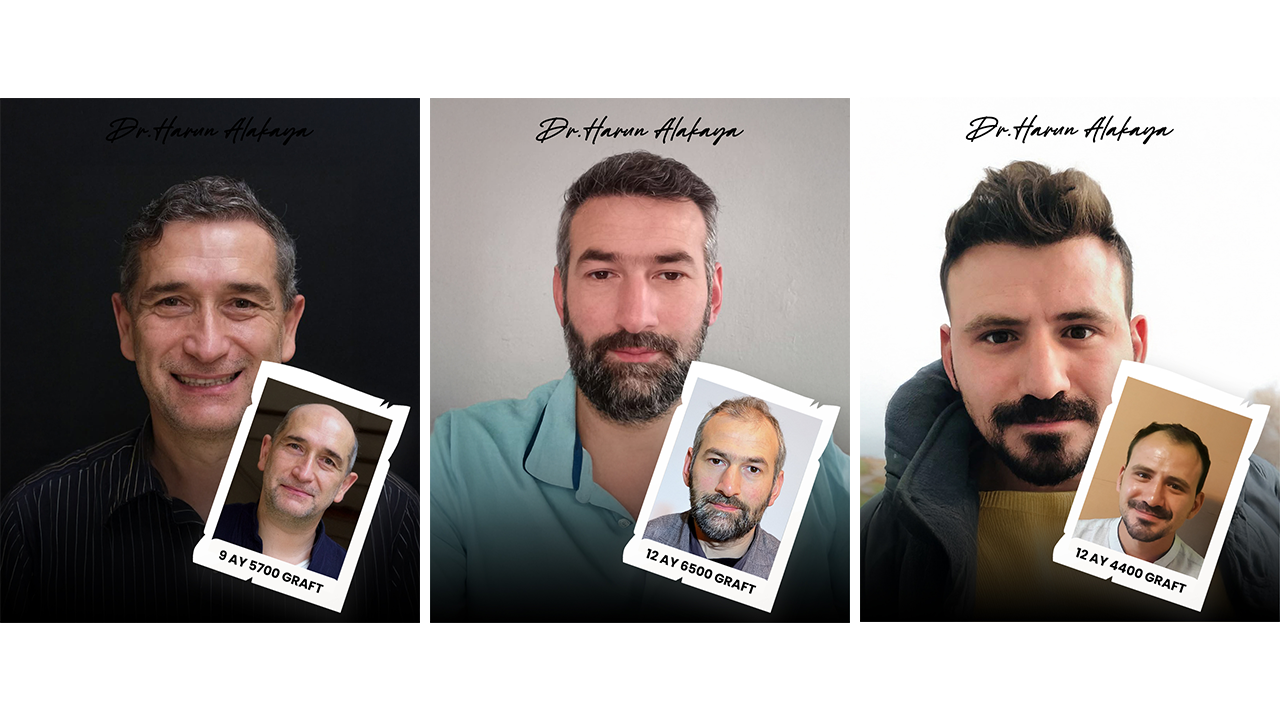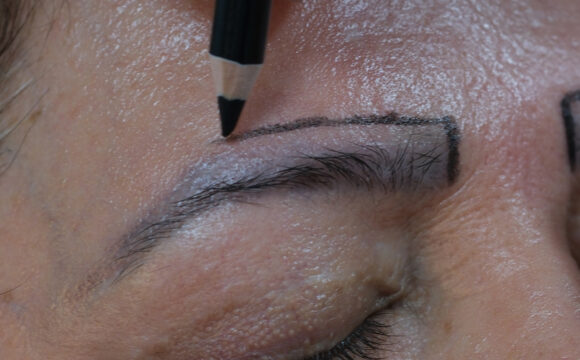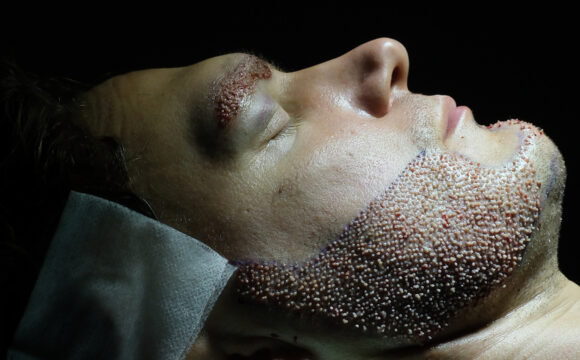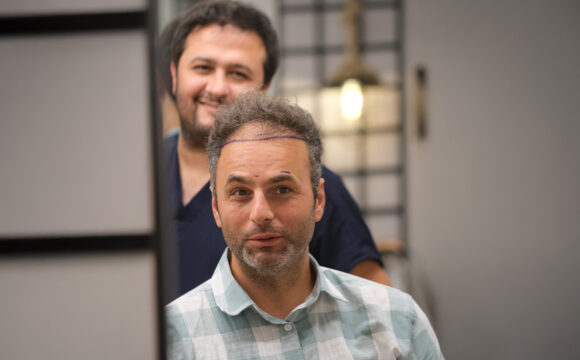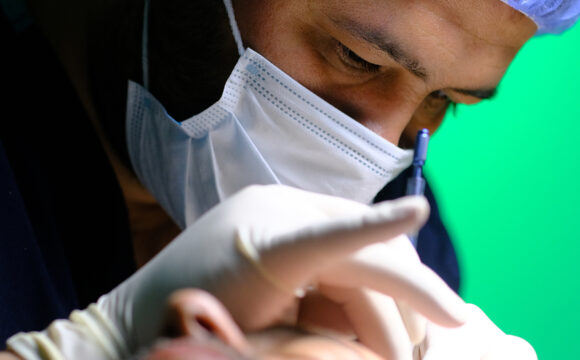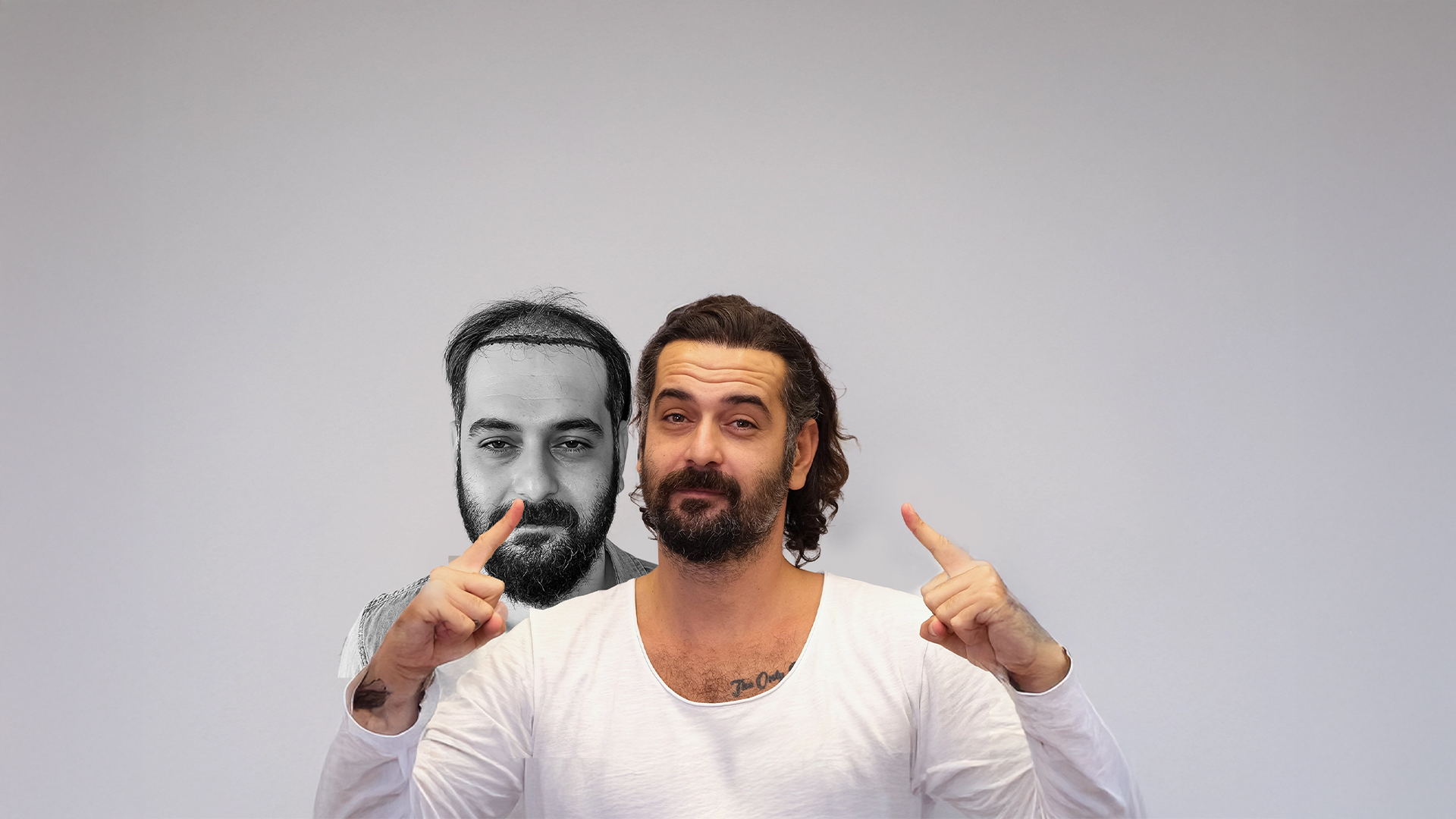
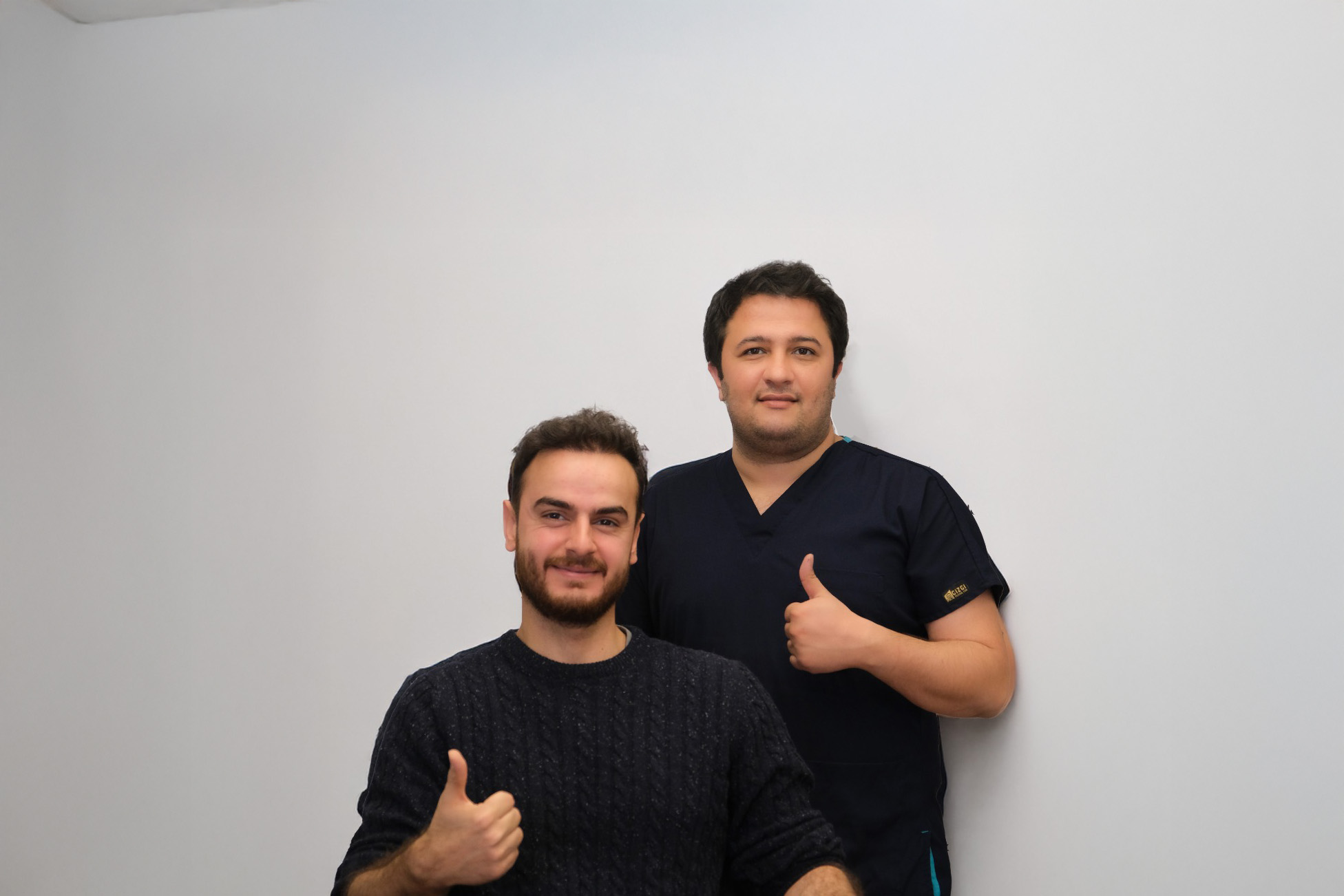
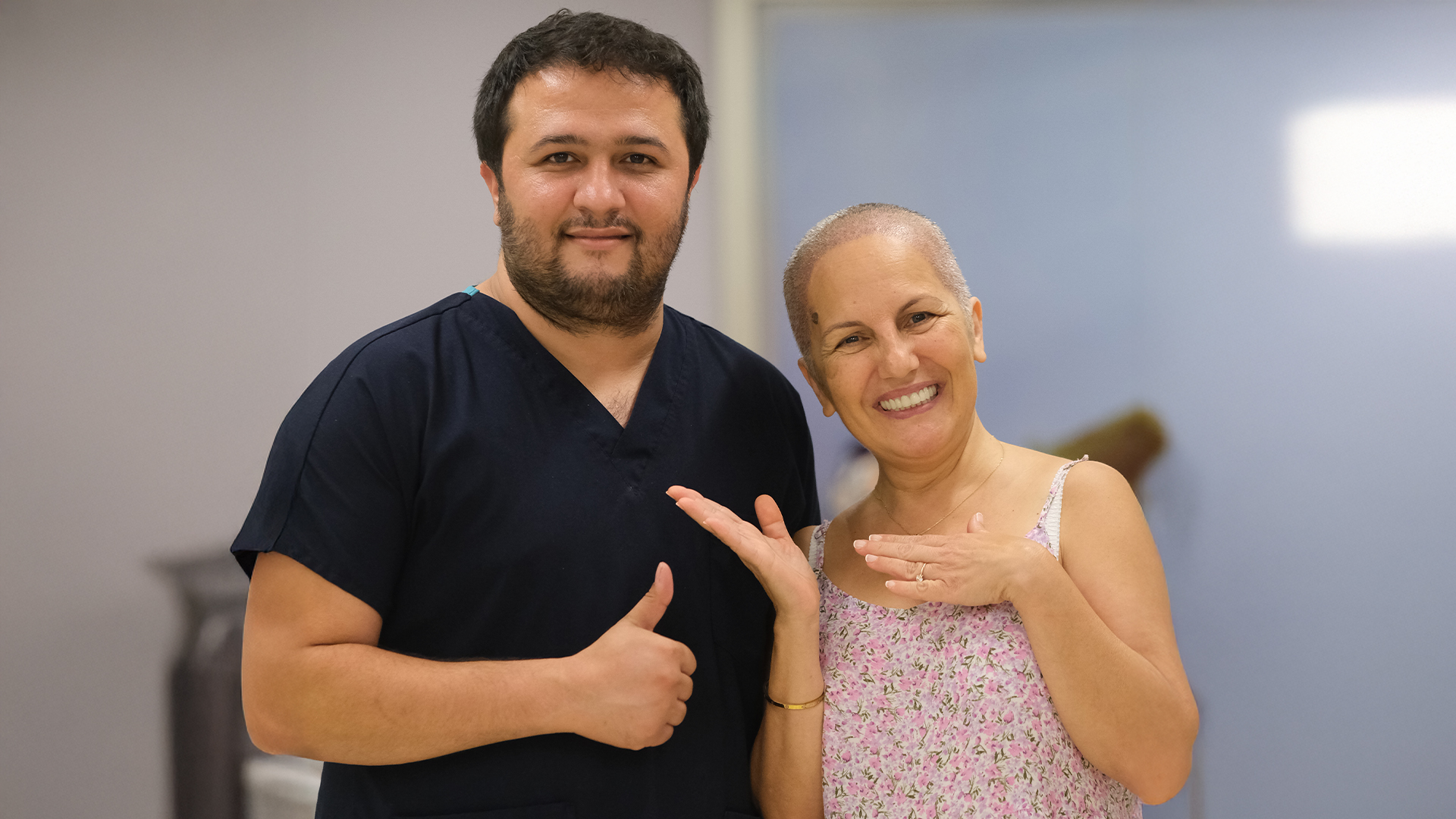
Dr.Harun Alakaya İşlem Öncesi ve Sonrası

Dr.Harun Alakaya

Natural & Permanent Hair Transplant

Dr.Harun Alakaya Başarılı Sonuç-2

Free Hair Analysis

Dr.Harun Alakaya

Free Hair Analysis

Dr.Harun Alakaya

Dr.Harun Alakaya

Hair Transplant and Medical Aesthetics Specialist

Dr. Harun Alakaya is one of Turkey's leading experts in the field of hair transplantation and has treated thousands of patients throughout his career. With a strong focus on achieving natural-looking, permanent, and safe results, he has become the top choice for both domestic and international patients. Thanks to his extensive medical knowledge, artistic approach, and commitment to patient satisfacti on, Dr. Alakaya has earned a reputation as a trusted and respected figure in the industry.
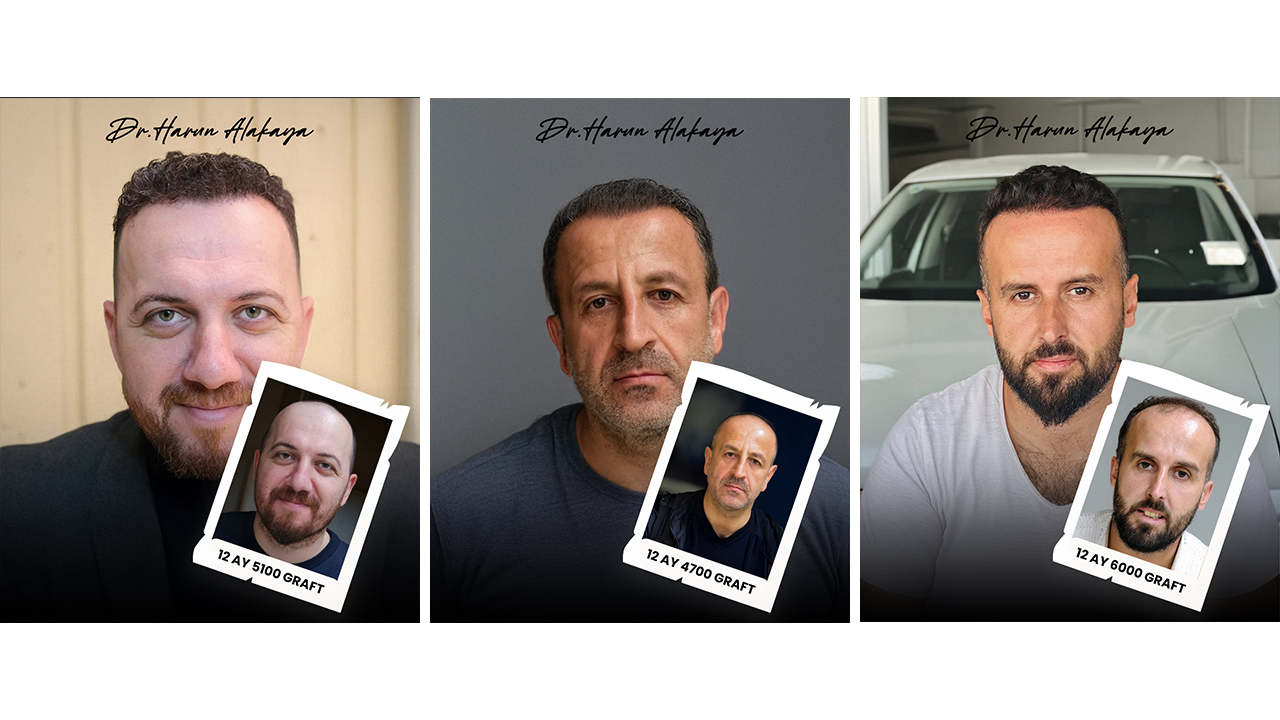
    Dr. Harun Alakaya saç ekimi öncesi sonrası sonuçları 12 ay
    Dr. Harun Alakaya saç ekimi öncesi sonrası sonuçları 1 yıl
    Dr. Harun Alakaya saç ekimi öncesi sonrası sonuçları 7 ay 12 ay
    Dr. Harun Alakaya saç ekimi öncesi sonrası sonuçları 12 ay sonuç
    Dr. Harun Alakaya saç ekimi öncesi sonrası sonuçları 9 ay 12 ay

    Testimonials

    What Our Patients Say

    0% Quality
    0 Patients a year
    0 People working
    0 Years of experience
    0 Happy Smiles

    Have some Questions?

    FAQ

    Hair transplantation offers a permanent solution to hair loss, but achieving successful results depends on meeting certain criteria. Here are the key characteristics of an ideal candidate for hair transplantation:

    1. Individuals Experiencing Hair Loss

    Hair transplantation is ideal for those suffering from genetic hair loss (androgenetic alopecia) or hair thinning due to various reasons. Male pattern baldness is the most common reason for the procedure, but it can also be effective for women experiencing hair thinning.

    2. Individuals with a Sufficient Donor Area

    The procedure involves extracting healthy hair follicles from a donor area and transplanting them into balding regions.

    Donor Area: The nape (back of the head) and above the ears are typically used as donor sites, as hair in these areas is genetically resistant to shedding and remains intact for a lifetime.

    Hair Density and Quality: The density and quality of hair in the donor area directly affect the success of the transplantation. If the donor area lacks sufficient grafts (hair follicles), the procedure may be limited, or alternative methods may be considered.

    Body Hair: In cases where the donor area is insufficient, hair follicles can also be extracted from beard or body hair, but this provides a limited solution.

    3. Individuals in Good Health

    Since hair transplantation is a surgical procedure, candidates should be in good general health. People with chronic conditions such as diabetes or hypertension can undergo hair transplantation under the supervision of a doctor.

    4. Individuals with Stabilized Hair Loss

    If hair loss is still actively progressing, achieving a natural and long-lasting result can be challenging. Therefore, individuals whose hair loss has stabilized are better candidates for transplantation.

    5. Individuals with Realistic Expectations

    The success of a hair transplant depends on the severity of hair loss and the capacity of the donor area. Having realistic expectations about the outcome is crucial to ensuring satisfaction with the results.

    How to Determine Your Eligibility for Hair Transplantation?

    To assess whether you are a suitable candidate for a hair transplant, a consultation with a specialist doctor is essential. At our clinic, we conduct a detailed hair analysis and create a personalized treatment plan tailored to your needs.

    Hair transplantation is an aesthetic procedure that provides permanent and natural results. However, the success of the procedure depends not only on the techniques used but also on the precautions taken before and after the procedure. Here are the things you need to do before and after a hair transplant:

    Things to Consider Before Hair Transplantation

    1. Blood Tests and Doctor Consultation

    •Before the hair transplant procedure, your doctor will conduct the necessary health checks.

    •Your health condition will be assessed through blood tests, and it will be determined whether the procedure is suitable for you.

    2. Quit Smoking and Alcohol Consumption

    •Smoking negatively affects blood circulation, prolonging the healing process. It is recommended to quit smoking at least one week before the procedure.

    •Alcohol has a blood-thinning effect, so it should be avoided at least three days before the procedure.

    3. Avoid Blood-Thinning Medications

    •Medications like aspirin can increase the risk of bleeding during the procedure.

    •If you use such medications, consult your doctor and stop taking them 10 days before the procedure.

    4. Pay Attention to Caffeine and Herbal Supplements

    •Caffeine consumption can increase the risk of bleeding during the procedure, so avoid caffeinated beverages like coffee on the day of surgery.

    •Herbal supplements such as ginseng and ginkgo biloba can also increase the risk of bleeding, so they should be discontinued before the procedure.

    5. Choose Comfortable Clothing

    •Wearing front-buttoned or zip-up clothing helps protect the transplanted area after the procedure.

    Things to Consider After Hair Transplantation

    1. Get Plenty of Rest

    •It is important to rest for the first 48 hours after the procedure.

    •Avoid strenuous physical activities to protect your scalp.

    2. Protect the Transplanted Area

    •Do not touch or scratch the transplanted area.

    •The grafts are very delicate in the first few days and can be easily damaged.

    3. Follow Hair Washing Instructions

    •The first wash is usually done 24-48 hours after the procedure.

    •Use the shampoo and lotion recommended by your doctor and follow the washing instructions carefully.

    •Avoid harsh movements, as they may dislodge the grafts.

    4. Pay Attention to Sleeping Position

    •Try to sleep on your back for the first week after the procedure.

    •Keeping your head elevated helps reduce swelling.

    5. Avoid Smoking and Alcohol

    •To speed up the healing process, avoid smoking and alcohol consumption after the procedure.

    •These substances negatively affect blood circulation and delay healing.

    6. Protection from Sun and Physical Contact

    •Avoid direct sun exposure for the first week.

    •It is recommended to wait 14 days before wearing a hat. After 14 days, you can wear a loose-fitting hat that does not put pressure on the transplanted area.

    •Protect the transplanted area from any impacts or injuries.

    7. Do Not Miss Doctor Check-Ups

    •The first check-up is usually scheduled one week after the procedure.

    •Follow all scheduled appointments as advised by your doctor.

    8. Be Prepared for Shock Hair Loss

    •One to two months after the procedure, the transplanted hair may fall out, which is completely normal.

    •This process is called “shock shedding.”

    •The hair roots remain intact, and new hair will begin to grow after this phase.

    9. Stay Hydrated and Keep Your Head Elevated

    •Drink plenty of water in the first three days after the hair transplant.

    •Keep your head elevated to reduce swelling.

    Paying close attention to the pre- and post-transplant care guidelines directly impacts the final results of the procedure. At our clinic, our expert team will guide you through every step of the process, ensuring that you achieve healthy and natural-looking hair.

    Hair transplantation is a procedure that helps restore lost hair. However, the entire process is not limited to just the operation itself. The duration of the procedure and the recovery phases vary depending on the technique used and the individual’s physiological characteristics.

    How Long Does a Hair Transplant Procedure Take?

    The duration of a hair transplant depends on the number of grafts (hair follicles) to be implanted and the technique used. Here are some general details:

    Procedure Duration

    •A hair transplant procedure typically takes 6-8 hours.

    •The number of grafts to be transplanted affects the duration. If a larger number of grafts are required, the procedure may take longer.

    Techniques Used and Their Duration

    •FUE (Follicular Unit Extraction): In this technique, hair follicles are extracted one by one and implanted individually, making the procedure longer.

    •DHI (Direct Hair Implantation): This method uses a special pen-like tool for implantation. Since it is a more precise technique, the procedure time may vary compared to FUE.

    Planning and Breaks

    •The procedure includes short breaks and careful planning, which enhance efficiency while ensuring the patient’s comfort.

    •Recovery Process After Hair Transplantation

    The healing process occurs in several phases. Here are the details:

    First 48 Hours

    Mild redness and sensitivity may occur on the scalp.

    Swelling in the donor and transplanted areas is common but usually subsides within a few days.

    First Week

    Small scabs form around the transplanted follicles, which naturally fall off within 7-10 days.

    Special shampoos and washing techniques recommended by the doctor should be followed.

    1-2 Months: Shock Shedding Phase

    Transplanted hair begins to shed in what is called the “shock shedding” phase.

    This is a completely normal process, as the hair follicles enter a resting phase before new growth begins.

    3-6 Months: Growth of New Hair

    The first new hair strands start emerging.

    Initially, the hair may appear thin and weak, but it thickens over time.

    6-12 Months: Full Results

    The transplanted hair fully grows out, achieving the desired density.

    The hair takes on a completely natural appearance.

    Tips to Speed Up the Healing Process

    Follow Your Doctor’s Advice: Take prescribed medications and adhere to care instructions.

    Protect the Transplanted Area: Avoid physical contact and impact in the first few weeks.

    Reduce Smoking and Alcohol Consumption: These habits affect blood circulation and may slow the healing process.

    Wash Hair Gently: Avoid aggressive movements in the first washes to prevent damaging the grafts.

    By carefully following these guidelines, you can achieve optimal results and enjoy healthy, natural-looking hair after your transplant.

    At our clinic, we prioritize the comfort and convenience of our patients undergoing hair transplant procedures. For those traveling from abroad or other cities, we offer professional services to ensure a smooth experience throughout their treatment.

    Comfortable Accommodation Options

    During the treatment period, we provide accommodation in 4-star or 5-star hotels, ensuring a relaxing and comfortable stay. Our partner hotels are carefully selected to offer high-quality services, meeting the preferences and needs of our patients before and after the procedure.

    Airport Transfer Services

    To make traveling easier, we offer airport pickup and round-trip transfer services. Our professional team greets patients upon arrival, ensuring a smooth transfer to their hotel, and organizes their return trip after the treatment.

    Convenient Transportation to the Clinic

    For the procedure day and follow-up appointments, we provide private transfer services between the hotel and the clinic. This eliminates any transportation concerns, allowing patients to focus solely on their recovery.

    Services for Local Patients

    For patients residing in Istanbul who wish to benefit from these services, we offer the same luxurious accommodation and transfer options for an additional fee. This ensures maximum comfort and convenience throughout the treatment process.

    Why Choose Us?

    Professional Team – From airport pickup to hotel reservations and transfers, our experienced team handles every detail.

    Flexible Services – Accommodation and transportation options tailored to patients’ preferences.

    Comfort-Oriented Approach – Premium services designed to ensure a stress-free and enjoyable experience.

    We are here to make your hair transplant journey as smooth and comfortable as possible. For more details and reservations, feel free to contact us! 📞

    We offer a comprehensive and seamless experience for patients traveling to Istanbul from all around the world for hair transplantation. Here are the steps of the process:

    Initial Contact & Consultation

    Patients can reach us via phone, email, or the contact form on our website to benefit from a free consultation with our specialists. During this stage, the patient’s hair condition is evaluated, and a personalized treatment plan is created.

    Travel & Accommodation Arrangements

    For our international and out-of-town patients, we provide airport transfers and accommodation in 4- or 5-star hotels. Every detail is carefully arranged to ensure maximum comfort.

    Procedure Day

    The hair transplant procedure is performed at our clinic by our expert medical team using modern techniques. Before the procedure, all necessary preparations are made, prioritizing the patient’s safety and comfort.

    Post-Procedure Care & Support

    All necessary post-operative care products and medications are provided by our clinic. We also offer continuous support throughout the recovery process to ensure the best results.

    Follow-Up Appointments & Monitoring

    We schedule regular follow-up appointments for one year after the procedure. The first check-up is on the 15th day, followed by check-ups at 3, 6, 9, and 12 months. These follow-ups can be conducted in person at our clinic, via photo submission, or through video consultation.

    Long-Term Support

    To ensure permanent and natural results, our clinic remains accessible at all times. Our 24/7 support team is available for any questions or additional care needs.

    We are here to make your hair transplant journey smooth and comfortable. With our professional team and personalized services, we help you achieve the look you’ve always dreamed of! 🚀

    One of the most common concerns for those considering a hair transplant is whether the procedure is painful. Thanks to modern technologies, hair transplant procedures can be performed with minimal discomfort. Here are the details on what you may feel during and after the procedure:

    Does a Hair Transplant Procedure Cause Pain?

    Since hair transplantation is performed under local anesthesia, the pain level during the procedure is usually minimal or not felt at all.

    Application of Local Anesthesia

    •Before the procedure begins, local anesthesia is applied to the scalp, numbing both the donor area (where hair follicles are extracted) and the transplant area.

    •A slight stinging sensation may be felt during the anesthesia injection, but this is brief and prevents any pain throughout the procedure.

    What Will You Feel During the Procedure?

    •You may feel pulling, pressure, or movement on your scalp, but this does not cause pain.

    •Most patients can relax comfortably during the procedure, and some even choose to listen to music or watch TV.

    What Will You Feel After the Procedure?

    First Few Hours

    •Once the anesthesia wears off, you may feel mild sensitivity in the donor and transplant areas.

    •This discomfort can usually be managed with mild painkillers.

    First Few Days

    A slight tightness or pressure sensation may be felt on the scalp in the first few days.

    Mild redness and scabbing in the transplant area are normal.

    Swelling & Sensitivity

    •In rare cases, swelling may appear on the forehead or around the eyes. This usually subsides on its own within 2-3 days.

    Tips to Minimize Hair Transplant Discomfort

    Follow Your Doctor’s Advice: Taking the prescribed medications regularly will help minimize pain.

    Create a Relaxing Environment: Keeping stress levels low during the procedure increases comfort.

    Pay Attention to Your Sleeping Position: Keeping your head elevated while sleeping in the first few days helps reduce pain and prevent swelling.

    Cold Compress: If recommended by your doctor, gently apply a cold compress to swollen areas.

    Hair Transplant Is Not a Procedure to Fear

    Hair transplantation, when performed with advanced techniques and expert hands, provides a comfortable experience for patients. Even those with a low pain threshold report minimal discomfort thanks to local anesthesia. By following your doctor’s post-operative care recommendations, you can further ease the recovery process.

    Hair transplant offers a natural and permanent solution for individuals facing hair loss. However, the permanence of the results and the timeline depend on various factors such as the technique used, the quality of hair follicles, and the level of care taken during the post-operative period. Here’s what you need to know about the permanence of hair transplants and when to expect results:

    Is Hair Transplant Permanent?

    Yes, hair transplant results are typically permanent. Here’s why:

    Characteristics of Hair in the Donor Area

    •The hair follicles used in the transplant are usually taken from the back of the head. Hair in this region is genetically resistant to hair loss.

    •These resilient hair follicles will maintain their genetic resistance and continue to grow without falling out once transplanted.

    Adaptation of Follicles in the New Area

    •The transplanted hair follicles adapt to their new location and eventually become permanent. The follicles take root in the first few months and enter the normal hair growth cycle.

    •Hair transplants performed with the right technique have a high success rate and the results can last a lifetime.

    Expertise and Technique Factors

    •The skill and experience of the team performing the procedure directly impact the permanence of the results. Incorrect techniques or errors during the procedure can damage the follicles and lead to hair loss.

    How Long Does It Take to See Results?

    Hair transplant results appear over time. Here’s a breakdown of the process:

    First 1-2 Months: Shedding (Shock Loss)

    •Within the first few weeks after the procedure, the transplanted hair will shed. This phase is called “shock loss” and is completely normal.

    •During this stage, only the hair shafts fall out, while the follicles remain intact.

    3-6 Months: First Signs of New Hair

    •New hair starts to grow around the third month.

    •Initially, these hairs may appear fine and weak, but they will strengthen over time.

    6-12 Months: Thickening Process

    •The new hair gradually becomes thicker and denser.

    •By the eighth month, the results of the hair transplant begin to become more apparent.

    12-18 Months: Final Results

    •The full results of the hair transplant are typically visible within 12-18 months. At this point, the hair has a completely natural appearance.

    Tips to Maintain the Permanence of Results

    Follow Your Doctor’s Advice: Adhering to post-procedure care instructions helps support the healthy growth of transplanted follicles.

    Eat a Healthy Diet: Opt for a vitamin- and mineral-rich diet to nourish the hair follicles.

    Limit Smoking and Alcohol Consumption: These habits can negatively affect blood circulation and slow down hair growth.

    Care for Your Hair: Wash your hair gently and regularly, avoiding harsh chemicals.

    Hair transplant is a popular solution for those seeking a natural and permanent solution to hair loss. However, the cost of hair transplants can vary depending on several factors. Here are the key elements that influence the price of a hair transplant:

    1. Technique Used

    Hair transplant procedures are usually performed using modern techniques such as FUE (Follicular Unit Extraction) and DHI (Direct Hair Implantation). The method used can impact the cost. For example, the DHI technique, which requires more precision, can be more expensive than FUE.

    2. Size of the Area to be Treated

    The size of the area where the transplant will take place directly impacts the number of grafts required. If a larger area needs to be treated, the number of grafts will increase, leading to a higher cost.

    3. Condition of the Donor Area

    The density of the hair in the donor area affects the success and complexity of the transplant procedure. If the donor area lacks sufficient hair follicles, the procedure may become more complicated, which can increase the cost.

    4. Location and Facilities of the Clinic

    The clinic’s location, both in terms of city and country, and the facilities it offers are important factors in determining the price. In countries like Turkey, which is known for its hair transplants, high-quality services may be offered at more affordable prices. Additionally, extra services such as hotel accommodations, transportation, and translation may also be included in the pricing.

    5. Expertise and Experience

    The level of expertise and experience of the surgeon performing the hair transplant plays a significant role in pricing. Procedures performed by expert and experienced teams are typically offered at higher prices, but these tend to result in more reliable and higher-quality outcomes.

    6. Additional Services

    Some clinics include post-transplant care products, medications, and regular follow-up services in the price. These services may contribute to the overall cost but help make the process smoother and more convenient for the patient.

    When evaluating hair transplant costs, it is important to consider not only the price but also the quality of service, the techniques used, and the extra amenities provided. Working with an expert team ensures more satisfactory results in the long run and helps achieve permanent, natural outcomes.

    The time it takes to return to work after a hair transplant depends on the technique used during the procedure, the individual’s physiological characteristics, and the nature of the job. Generally, it is possible to return to work a few days after the procedure, but in some cases, additional rest may be required.

    General Recovery After Hair Transplant

    First Few Days (0-3 Days)

    Right after the procedure, there may be mild redness, swelling, and sensitivity in the scalp.

    Small scabs form on the donor and transplant areas.

    It is important to rest and protect the scalp from any impacts during this time.

    First Week (4-7 Days)

    Swelling and sensitivity typically subside during this period.

    The scabs begin to fall off, and the transplant area becomes less noticeable.

    Those who work in jobs that don’t require physical exertion can usually return to work after 4-5 days.

    Recovery Based on Job Type

    Office and Low Physical Activity Jobs

    If you have an office job, you can generally return to work 3-5 days after the procedure.

    Even if some swelling or sensitivity remains, these types of jobs won’t affect your recovery due to the lack of physical effort.

    Jobs Requiring Physical Effort

    Intense physical activities can affect blood circulation in the scalp and may cause damage to the transplanted areas.

    If your job requires heavy physical labor, it is advisable to wait 10-14 days before returning to work.

    Tips to Speed Up the Recovery Process

    Follow the Doctor’s Instructions

    Regularly take prescribed medications and apply special care products to speed up the healing process.

    Protect Your Head from Trauma

    Even after returning to work, it is important to protect the scalp from impacts, especially during the first few weeks.

    Wear a Hat

    When allowed by the doctor, wear a wide and comfortable hat to protect the transplant area from the sun and external factors.

    Avoid Stress and Fatigue

    Try to avoid stressful situations or prolonged fatigue that could slow down the healing process.

    Recommended Time to Return to Work

    Office Jobs: 3-5 days after the procedure.

    Jobs with Light Physical Activity: 7-10 days after the procedure.

    Heavy Physical Jobs: 10-14 days after the procedure.

    Hair transplant procedures require careful attention and care for successful results. The precautions taken and the attention given during the recovery phase, along with the return to daily life, are crucial to support healthy hair growth in the transplanted areas. Here are the essential points to keep in mind:

    1. The First Few Days: Rest and Protection

    The first 3 days after the procedure are crucial for protecting the transplanted area. During this time, the following rules should be observed:

    •Do not touch the transplanted area.

    •Avoid any impact to the head.

    •Sleep on your back with your head elevated.

    2. When Can Exercise Be Resumed?

    Returning to exercise should be done gradually after a hair transplant:

    •First 2 Weeks: Completely avoid any exercise. This includes high-intensity activities that may cause sweating.

    •After 2 Weeks: Light exercises, such as walking, can be started.

    •After 4 Weeks: More active exercises are possible, but contact sports (like football or basketball) and weightlifting should be avoided for a while longer.

    •After 6 Weeks: Full return to sports activities is usually possible.

    3. Daily Life Considerations

    •Follow Washing Instructions: Washing can usually begin the day after the procedure or on the second day. Use the special shampoos and lotions recommended by your doctor for subsequent washes.

    •Sun Protection: Avoid direct sunlight for the first month post-procedure. Wearing a hat is ideal for protecting the area. However, avoid wearing hats, caps, or other accessories for the first 15 days. After 15 days, a wide and loose hat can be worn.

    •Maintain Hygiene: Keep the transplanted area clean to prevent infection. Stay away from dusty and dirty environments. Change your pillowcase every day for the first two weeks.

    •Avoid Pools and Saunas: Avoid swimming pools, the sea, saunas, and hammams during the first month.

    4. Smoking and Alcohol Use

    •Smoking and alcohol can negatively affect blood circulation, impairing the healthy growth of hair follicles. It’s recommended to avoid these substances for at least one month after the procedure.

    5. Do Not Skip Expert Check-ups

    •Regular follow-up visits to the doctor ensure the successful completion of the process. The first check-up is usually 10-15 days after the procedure, with further checks at 3, 6, 9, and 12 months. During these visits, the condition of the transplanted area is evaluated, and additional recommendations may be provided if necessary.

    Careful post-procedure care and adherence to your doctor’s instructions are key to achieving a successful and natural result after a hair transplant.

    Hair loss in men is a common issue, often caused by genetic factors, hormones, and aging. Hair transplant offers a permanent and natural solution, making it one of the most effective methods. However, when choosing between different hair transplant techniques, it is important to consider the individual’s hair loss condition, the amount of hair in the donor area, and their expectations. So, which hair transplant method is best suited for men?

    Most Common Hair Transplant Methods for Men

    1. FUE (Follicular Unit Extraction) Method

    FUE is one of the most popular hair transplant techniques today.

    Advantages:

    •Provides a more natural look because hair follicles are taken one by one.

    •Leaves no visible scars or stitches.

    •Quick recovery time (usually 7-10 days).

    •Less invasive, leading to a less uncomfortable recovery process.

    Disadvantages:

    •The procedure may take longer (typically 6-8 hours).

    •Requires an experienced specialist, as follicles are taken individually from the donor area.

    Best for:

    Men with mild to moderate hair loss.

    Those looking for a natural appearance.

    Those who prefer short hairstyles (as it leaves no visible scars).

    2. DHI (Direct Hair Implantation) Method

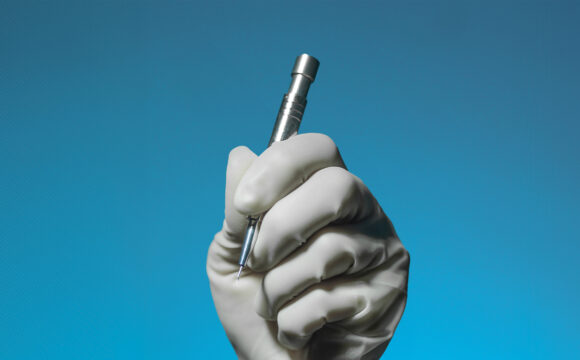
    DHI is considered an advanced version of FUE. In this technique, hair follicles are directly implanted using a special “Choi Implanter Pen.”

    Advantages:

    •Higher survival rate for grafts, as follicles are implanted immediately after extraction.

    •Allows for more intensive hair implantation, particularly effective for the frontal hairline.

    •Can be performed without shaving the hair in some cases.

    Disadvantages:

    •The procedure may take longer and can be more expensive.

    •Requires a very experienced team for the technique to be successful.

    Best for:

    Men who want a natural look for their frontal hairline.

    Those looking for more intensive hair restoration.

    Those who want a quicker return to social life.

    3. FUT (Follicular Unit Transplantation) Method

    FUT, which was widely used in the past, has largely been replaced by FUE and DHI methods. In this technique, a strip of skin from the scalp is removed to harvest hair follicles for transplantation.

    Advantages:

    •More grafts can be obtained if a large amount of hair needs to be transplanted.

    •Shorter procedure time compared to FUE.

    Disadvantages:

    •The donor area may leave a noticeable scar due to the strip removal.

    •Recovery time is longer compared to FUE and DHI.

    Best for:

    Men with significant hair loss.

    Those with sufficient hair density in the donor area

    The hair transplant process for women differs in some ways from that of men. Women typically choose one of two main methods for hair restoration:

    1. DHI (Direct Hair Implantation) Method

    DHI is one of the most advantageous hair transplant techniques for women. A key factor that makes this method stand out is that hair can be transplanted without shaving the existing hair.

    Advantages:

    •Hair can be transplanted without shaving the existing hair.

    •Allows for more natural and denser hair implantation.

    •Quick recovery time.

    Best for:

    Women experiencing mild to moderate hair loss.

    Those with thinning in the front hairline.

    2. FUE (Follicular Unit Extraction) Method

    In the FUE method, healthy hair follicles are individually harvested from the donor area (usually the nape of the neck) and transplanted to areas experiencing hair loss. In some cases, partial shaving of the hair might be required.

    Advantages:

    •Provides natural and long-lasting results.

    •Allows a large number of follicles to be harvested from the donor area.

    Best for:

    Women with a strong donor area.

    Those seeking hair restoration for larger areas of thinning or baldness.

    Hair Transplant Process for Women

    •Consultation and Planning: The first step is determining the cause of hair loss and selecting the most suitable hair transplant method.

    •Harvesting Hair Follicles: Healthy hair follicles are typically harvested from the nape or another suitable donor area.

    •Implanting Hair Follicles: Using DHI or FUE techniques, the extracted follicles are carefully implanted into the thinning or bald areas.

    •Recovery Process: The recovery time for women is generally between 7-10 days.

    Differences Between Hair Transplant for Women and Men

    •Shaving Requirement: Unlike in men, where hair is typically shaved completely for the procedure, women can often undergo hair transplant surgery without shaving their existing hair.

    •Hair Loss Pattern: Women’s hair loss is usually more diffuse and widespread, which requires careful planning of the transplant areas.

    •Frontal Hairline: For women, the frontal hairline is designed more softly and naturally, as it is crucial to maintain a feminine look.

    When Will the Results of Hair Transplant Be Visible in Women?

    1-2 Months: Shedding of transplanted hair may occur, which is a normal part of the process.

    3-6 Months: New hair growth begins to appear.

    6-12 Months: Hair follicles become thicker and look more natural.

    12-18 Months: Final results are visible, and the transplanted hair becomes permanent.

    Hair transplantation is a procedure that can be performed at any age; however, the condition of hair loss and planning for the transplant may vary depending on age. The process in the 20s and 50s involves differences in expectations, techniques, and approach.

    Hair Transplant in the 20s

    •Hair Loss May Continue: In younger patients, the hair loss process may not be fully completed, which can make it challenging to maintain a natural appearance after transplantation.

    •Planning is Crucial: The front hairline and transplant areas must be planned with long-term outcomes in mind to ensure that the results are sustainable as hair loss progresses.

    •Common Techniques: DHI or FUE: Minimally invasive methods like DHI (Direct Hair Implantation) or FUE (Follicular Unit Extraction) are preferred for a denser and more natural appearance.

    Hair Transplant in the 50s

    •Hair Loss Has Stabilized: By this age, hair loss is usually complete, which results in more permanent and predictable outcomes.

    •Donor Area Strength Must Be Assessed: As people age, the density of the donor area may decrease. Therefore, careful planning and evaluation of the donor area are necessary.

    •Special Techniques for a Natural Look: The direction and density of the transplanted hair are adjusted to suit the age, ensuring a more natural and age-appropriate result.

    We offer a multilingual hair transplant service designed to provide maximum comfort at every stage of the treatment process for our international patients. Our expert team ensures that patients coming from abroad receive safe and comfortable care without facing any communication barriers.

    Why is Multilingual Support Important?

    •Better Understanding: You can learn all the details of the hair transplant process in your own language.

    •Comfortable Experience: Enjoy a smooth treatment process, travel, and accommodation without any communication issues.

    •Personalized Consultation: Your process is planned and guided according to your specific needs.

    •Reliable and Transparent Service: All information is communicated clearly, so you can make an informed decision.

    Languages We Support

    •English: Full support for international patients.

    •French: Special consultancy for French-speaking patients.

    •German, Spanish, and Arabic: Professional translation services for patients who prefer their native languages.

    We offer multilingual support throughout the entire treatment process, from medical consultation to post-operative care.

    Advantages of Our Multilingual Support

    Comprehensive Initial Consultation and Counseling: At the first stage, our experts evaluate your hair loss condition and provide information about the most suitable treatment options in your native language.

    Guidance During the Treatment Process: Pre-operative, during surgery, and post-operative care instructions, recovery tips, and precautions are thoroughly explained in your language.

    Accommodation and Transfer Services: We provide VIP welcome, comfortable accommodation options, and transportation services for our international patients. From airport transfers to hotel reservations, you will have support in your own language at every step.

    Recovery Process and Follow-Up Support: Your recovery progress is regularly monitored. Our experts offer multilingual support through video calls or messaging to evaluate your progress and provide necessary guidance.

    Special Services for Our International Patients

    •Medical Translation and Guidance: All medical procedures are explained clearly and understandably.

    •Hospital Coordination: We handle all organization for the day of the operation and aftercare.

    •Cultural Sensitivity: We offer tailored approaches to patients from different cultures, ensuring their comfort.

    Our multilingual support team is always here to make your hair transplant process reliable, understandable, and comfortable! Contact us now for more detailed information.

    Hair transplant technology has evolved with advanced medical devices and new techniques, offering more comfortable, natural, and successful results. Today, thanks to minimally invasive methods, patients can recover faster and achieve permanent results. Here are the most up-to-date hair transplant technologies and their advantages:

    DHI (Direct Hair Implantation) Hair Transplant

    DHI hair transplant involves the use of a special medical pen (Choi Pen) to directly implant hair follicles.

    No shaving required, making it especially ideal for women.

    Provides a denser and more natural appearance.

    Faster recovery increases patient comfort.

    Safir FUE Hair Transplant

    An advanced version of the FUE method, where channels are opened with sapphire blades instead of metal ones.

    Minimal tissue damage, less scabbing, and faster recovery.

    Highly effective for creating a natural hairline and providing denser coverage, making hair appear fuller.

    Robotic Hair Transplant

    AI-assisted robotic systems collect donor hair follicles with high precision and speed.

    Minimizes errors, providing more accurate results compared to manual methods.

    Shorter operation time for greater convenience.

    Ensures even spacing and natural distribution, leading to aesthetically pleasing results.

    The Future of Hair Transplant Technology

    Stem cell-assisted hair transplant: A new approach that speeds up recovery and strengthens hair follicles.

    Laser-assisted hair transplant: Helps hair follicles secure better adhesion for healthier hair growth.

    Genetic testing for personalized treatment: Determines the most accurate method based on the specific cause of hair loss.

    For permanent and natural results with the latest hair transplant technologies, contact us today!

    Have some Questions?

    FAQ

    The term “graft” is commonly heard in the hair transplant process and is one of the most critical factors for a successful procedure. But what exactly is a graft, and why is it so important in hair transplantation?

    What is a Graft?

    A graft is a tissue sample that contains one or more hair follicles (follicular units). In hair transplantation, these grafts are typically taken from the donor area (usually the back of the head) and transplanted into the thinning or balding areas. A graft can contain between 1 and 4 hair strands, and during the transplant, the grafts are placed in a way that ensures a natural-looking hairline.

    The Importance of Grafts in the Hair Transplant Process

    Natural and Aesthetic Appearance: The angle of the grafts is carefully adjusted to ensure the right alignment for a natural-looking hairline.

    Hair Density: Depending on the individual’s needs, the number of grafts required is determined. For mild hair loss, around 2,000-3,000 grafts may be enough, while more advanced hair loss may require 4,000-5,000 grafts.

    Success Rate: The proper collection, preservation, and placement of the grafts directly impact the permanency and success rate of the hair transplant.

    How is the Number of Grafts Determined?

    The number of grafts needed varies from person to person and is calculated based on the extent of hair loss. Experienced doctors evaluate the donor area and determine how many grafts are required for the best results.

    Mild hair loss: 1,500-2,500 grafts

    Moderate hair loss: 2,500-4,000 grafts

    Severe hair loss: 4,000-5,500 grafts

    For a successful hair transplant, it’s crucial to ensure the quality of the grafts, how they are collected, and their precise placement with the correct angles during the procedure. For the best results, get in touch with our expert team! 📞

    Hair transplantation is not only an aesthetic change but also an investment that can help individuals regain their confidence. However, the success of the process is directly related to the clinic you choose. A wrong clinic selection can lead to irreversible negative results and even health issues. So, how do you choose a sterile and reliable hair transplant clinic? Here are the most important criteria to consider when selecting a hair transplant center.

    Key Criteria for Choosing a Hair Transplant Clinic

    1.Expert Doctors and Experienced Team

    Hair transplantation is a serious medical procedure and should only be performed by expert doctors and experienced teams. It is important that the clinic’s doctors have formal medical education, the necessary certifications, and several years of experience in this field. It is helpful to review the doctor’s previous operations and before-and-after photos. Additionally, the quality of communication between the doctor and the patient, as well as the pre-and post-operative support, should be considered. Successful hair transplantation is not only about the surgical procedure but also about the doctor-patient relationship.

    2.Hygiene and Sterilization Conditions

    Hair transplantation is a medical procedure, and performing it in an unsanitary environment increases the risk of infection. It is crucial to choose a clinic where sterilization procedures are strictly followed, operating rooms are sterilized, and international health standards are adhered to. Key hygiene factors include the sterilization of equipment for each patient, the use of disposable materials, and the regular disinfection of operating rooms.

    3.Clinic Certifications and Official Approvals

    One of the most basic ways to understand if a clinic is reliable is to check whether it holds official certifications and permits. A Health Ministry-approved clinic adheres to international standards and prioritizes patient safety. It is also important to check if the clinic has accreditations from international health organizations, such as those from Europe and the U.S., which guarantee high safety standards.

    4.Hair Transplant Techniques and Technological Equipment

    Investigate which hair transplant techniques the clinic uses, such as FUE, DHI, and Sapphire FUE, and whether their technological equipment is up to date. Clinics equipped with the latest technology can offer more natural and successful results. It’s also important to ask for detailed information about the techniques, the process, recovery time, and success rates to determine the best approach for you.

    5.Patient Reviews and References

    One of the best ways to gauge the real quality of a clinic is by reviewing the experiences of past patients. Reading comments from real patients on social media, forums, and review platforms can provide insight into the clinic’s service quality. Additionally, examining the clinic’s direct references and patient stories is crucial. If possible, contacting former patients for direct feedback can help you make a more informed decision.

    6.Consultation Services and Post-Operative Support

    Professional clinics conduct detailed pre-operative assessments to determine the most suitable hair transplant method for you. Furthermore, selecting a clinic that provides support throughout the recovery process and offers guidance on hair care can increase the success rate of the procedure. Post-operative care is critical to ensure the transplanted hair follicles adhere healthily. Clinics that offer detailed guidance and regular check-up appointments will directly influence the success of your operation.

    7.Price and Service Scope ch services to make the right decision.

    When comparing prices, consider not just the most affordable option but also the scope of the services provided. Cheap clinics may use low-quality materials or work with inexperienced staff. Opt for clinics with transparent pricing policies that do not mislead you with additional charges and offer post-operative support services. Some clinics also provide free preliminary consultations and hair analysis, helping you choose the best treatment plan. Inquire about su

    8.Location and Accessibility

    The hair transplant process is not completed in a single day. It is essential that you can easily reach your doctor for post-operative check-ups, care processes, and any complications. Therefore, consider whether the clinic’s location is convenient for you. Additionally, clinics offering accommodation and transfer services for out-of-town or international patients can make the process more comfortable.

    Conclusion: Don’t Risk Your Health and Appearance!

    Undergoing hair transplantation is not just an aesthetic decision but also a long-term investment. Therefore, to achieve the best results and avoid jeopardizing your health, you should carefully research the clinic you choose. By selecting a reliable, sterile, and specialized clinic, you can achieve the natural and thick hair you’ve always dreamed of. Remember, the right clinic choice contributes not only to your hair but also to regaining your confidence.

    Hair transplantation offers an effective solution for individuals experiencing hair loss. However, the success of the process is not limited to the surgery alone; additional treatments during the recovery period play a significant role. Platelet-Rich Plasma (PRP) therapy is a commonly used method to accelerate the healing process after hair transplant surgery and support the healthy growth of transplanted hair.

    What is PRP Treatment and How is it Applied?

    PRP is a process in which blood drawn from an individual is processed to enrich the plasma with platelets, and then injected into the scalp. Platelets contain growth factors that can strengthen hair follicles, promote tissue healing, and stimulate new hair growth.

    Application Stages:

    •Blood Draw: A small amount of blood is taken from the patient.

    •Centrifugation: The blood is centrifuged in a special machine to separate the platelet-rich plasma.

    •Scalp Application: The PRP obtained is injected into the scalp using fine needles.

    This procedure is generally painless and minimally invasive, so it can be completed in a short amount of time.

    Benefits of PRP Treatment After Hair Transplantation

    PRP treatment is applied to ensure a faster and healthier recovery after hair transplantation. Some of its most important benefits include:

    Faster Healing: PRP accelerates tissue regeneration after the transplant, supporting the recovery process.

    Stimulating New Hair Growth: The growth factors in the platelets help newly transplanted hair grow stronger.

    Increased Hair Density: PRP can improve the quality of hair strands, making them appear fuller.

    Reduced Risk of Infection and Inflammation: Its anti-inflammatory properties can lower the risk of inflammation and infection after the transplant.

    When Should PRP Treatment Be Done?

    • Post-Hair Transplant PRP Treatment Timing: The timing for PRP application depends on the individual’s recovery process and the doctor’s recommendations.

    •First Session: Most experts suggest PRP treatment immediately after or within the first week following the transplant.

    •Follow-up Sessions: Typically, 3-4 PRP sessions are applied during the first 3-6 months. However, this may vary based on individual needs.

    •Long-Term PRP: In some cases, periodic PRP sessions may be recommended for long-term benefits.

    What Happens if PRP Treatment is Not Applied?

    Although PRP is not mandatory after a hair transplant, skipping it may lead to the following issues:

    • Slower Healing: The scalp’s ability to regenerate may take longer.

    • Weaker and Slower Hair Growth: Hair follicles may develop more slowly without the growth factors provided by PRP.

    • Increased Risk of Inflammation and Infection: Without PRP’s anti-inflammatory effects, regional sensitivity and inflammation may increase after the transplant.

    Where and By Whom Should PRP Treatment Be Done?

    • Experienced Specialists: PRP should be applied by a skilled specialist to be effective and safe.

    • Hair Transplant Clinics: Dermatology centers and medical aesthetics clinics are ideal locations for PRP treatment.

    • Qualified Doctors: The practitioner must have experience in hair health, and hygiene standards should be strictly followed.

    Conclusion

    PRP treatment after hair transplantation can help strengthen hair follicles, accelerate the healing process, and support healthier growth of transplanted hair. However, the necessity of PRP treatment varies for each individual. To make the best decision regarding PRP after hair transplantation, it’s advisable to consult a specialist for professional guidance.

    Hair transplantation is an effective solution for hair loss. However, the success of the procedure is not limited to the surgery alone. Post-operative treatments are essential to make the hair follicles stronger and ensure the healthy growth of newly transplanted hair. Hair mesotherapy after a hair transplant plays a crucial role in accelerating the process and providing better nourishment to the transplanted area.

    This article examines in detail why hair mesotherapy is important after hair transplantation, how it is applied, and the benefits it offers.

    1. What is Hair Mesotherapy?

    Hair mesotherapy is a minimally invasive injection treatment applied to nourish and strengthen hair follicles. Vitamins, minerals, amino acids, and other nourishing components are injected into the scalp via micro-needles. This process improves the blood circulation of the scalp, directly nourishes the hair follicles, and promotes faster, stronger, and healthier hair growth. Specifically after a hair transplant, mesotherapy helps the transplanted grafts settle better and encourages the new hair to grow thicker and healthier.

    2. Why Should Hair Mesotherapy Be Done After Hair Transplantation?

    After hair transplantation, hair follicles face challenges while adapting to their new environment. During the recovery phase, additional nourishing supplements are necessary for the healthy growth of new hair. The main benefits of hair mesotherapy after a transplant include:

    Increases Graft Retention Rate: Mesotherapy supports the healthy growth of transplanted grafts and minimizes the risk of loss.

    Boosts Blood Circulation: It accelerates the healing process by facilitating the delivery of more oxygen and nutrients to the scalp.

    Prevents Hair Loss: It alleviates the shock hair loss process that can occur after the transplant and strengthens existing hair.

    Thickens Hair Strands: It helps new hair grow stronger and thicker post-transplant.

    Improves Scalp Health: Mesotherapy helps maintain the moisture balance of the scalp, reducing problems like dandruff, dryness, and itching.

    3. How Is Hair Mesotherapy Applied After a Hair Transplant?

    Hair mesotherapy after a hair transplant is carried out in a series of stages. The procedure is generally performed over multiple sessions, usually spaced a few weeks apart.

    Mesotherapy Stages:

    •Preparation: The scalp is cleaned before the procedure, and mild local anesthesia may be applied.

    •Injection with Micro-Needles: A special nourishing formula is injected into the dermis, the middle layer of the scalp, using fine needles.

    •Massage and Blood Circulation Enhancement: After the injection, the scalp is gently massaged to ensure better absorption and distribution of the components.

    •Recovery Process: Patients can resume daily activities right after the procedure. Mild redness may appear, but it usually disappears within a few hours.

    4. When Should Hair Mesotherapy Be Done After a Hair Transplant?

    •Ideal Timing: The ideal time for mesotherapy is approximately four to six weeks after the hair transplant.

    •First Session: Typically performed one month after the transplant.

    •Follow-up Sessions: An average of four to six sessions are recommended, and the intervals between sessions are adjusted based on the individual’s needs.

    •Visible Effects: The positive effects of mesotherapy are generally noticed around the fourth week.

    5. Who Is Suitable for Hair Mesotherapy After Hair Transplantation?

    Hair mesotherapy after a hair transplant is suitable for anyone looking to enhance the health and growth of their newly transplanted hair. However, it is not recommended for individuals with the following conditions:

    •Women who are pregnant or breastfeeding

    •Individuals taking blood-thinning medications

    •People with diabetes or autoimmune disorders

    •Those with active scalp infections or open wounds

    6. Advantages of Hair Mesotherapy After a Hair Transplant

    Hair mesotherapy is an effective treatment that accelerates the post-transplant process and supports the healthy growth of transplanted hair. In summary:

    Increases the success rate of grafts

    Promotes stronger and faster hair growth

    Relieves shock hair loss

    Supports a healthy scalp

    Minimal side effects with a quick recovery process

    Conclusion

    Hair mesotherapy after a hair transplant is a vital supportive treatment for those who want to achieve the best results from their transplant. It helps ensure that the transplanted hair grows healthier and stronger, contributing to long-term success.

    If you’ve had a hair transplant and want to support the process, consulting with a specialist about hair mesotherapy will help you create a personalized treatment plan that works best for you.

    Hair transplantation is a permanent and effective solution for hair loss. However, just as the success of the surgery itself is crucial, the post-operative care process plays an equally important role. Oxygen therapy is a critical treatment that accelerates the recovery process and supports the retention of transplanted grafts.

    What Is Oxygen Therapy?

    Oxygen therapy is a treatment method that involves supplying pure oxygen to tissues to support cellular regeneration. When applied after a hair transplant, oxygen therapy ensures that the hair follicles receive direct oxygen, optimizing the healing process.

    Benefits of Oxygen Therapy After Hair Transplantation

    Accelerates Cellular Regeneration: Oxygen therapy helps the cells in the transplanted area regenerate faster, promoting the healthy growth of hair follicles.

    Improves Blood Circulation: Oxygen improves blood circulation, allowing transplanted grafts to more effectively receive the nutrients and oxygen they need for survival and growth.

    Reduces Infection Risk: Due to its natural antibacterial properties, oxygen therapy minimizes the risk of infection, which is an important advantage in preventing complications post-surgery.

    Reduces Swelling and Edema: Oxygen therapy helps reduce swelling, a common occurrence after hair transplantation, leading to enhanced comfort for the patient.

    Increases Graft Retention Rate: With the support of oxygen, transplanted hair follicles are better nourished, resulting in a higher retention rate. This leads to more successful hair transplant outcomes.

    When and How Many Sessions Should Oxygen Therapy Be Done?

    Oxygen therapy is typically initiated within the first 24-48 hours after the hair transplant. Based on the patient’s needs, 3-5 sessions may be recommended. Each session lasts approximately 20-30 minutes and is completely painless.

    Conclusion: Faster and More Successful Recovery

    Oxygen therapy after a hair transplant is an essential support treatment that optimizes transplant results, accelerates healing, and reduces the risk of infection. For healthier and stronger hair, oxygen therapy should be an integral part of your post-transplant care routine.

    If you’re looking to experience a successful and comfortable hair transplant process, consider integrating oxygen therapy into your recovery plan at our clinic!

    Hair transplantation is an effective method for restoring lost hair. However, supportive treatments play a critical role in accelerating the recovery process and ensuring that transplanted grafts grow healthily. Low-Level Laser Therapy (LLLT) is an innovative method that accelerates healing after hair transplantation and optimizes results.

    What Is Laser Therapy After Hair Transplantation?

    Laser therapy uses low-level laser light to stimulate the cells in the scalp, enhance blood circulation, and support the healing of hair follicles. This pain-free, side-effect-free procedure has become an increasingly preferred treatment in post-transplant care protocols.

    Benefits of Laser Therapy After Hair Transplantation

    1.Speeds Up the Healing Process:

    Laser light increases the energy production of the cells in the scalp, which accelerates tissue repair. This helps reduce side effects such as scabbing and redness in a shorter time.

    2.Boosts Blood Circulation:

    Laser therapy increases blood flow in the scalp, allowing the transplanted grafts to receive more oxygen and nutrients, which helps hair follicles grow healthier.

    3.Reduces Swelling and Edema:

    One of the most common issues after hair transplantation is swelling. Laser therapy supports lymph drainage, helping the edema to be reduced more rapidly, thus enhancing the patient’s comfort.

    4.Lowers the Risk of Infection:

    Due to its anti-inflammatory effects, laser light minimizes the risk of infection after the transplant. The skin barrier repairs faster, offering better protection against external factors.

    5.Strengthens Graft Retention:

    Laser therapy strengthens hair follicles, improving the retention rate of transplanted grafts. This is one of the most important factors directly affecting the success of a hair transplant.

    When and How Many Sessions Should Laser Therapy Be Done?

    Laser therapy is typically started within the first 48 hours after hair transplantation, with 2-3 sessions per week. Depending on the individual’s needs, treatment can continue for 4 to 8 weeks. Each session lasts approximately 15-20 minutes and is completely pain-free.

    Stronger and Faster Results with Laser Therapy After Hair Transplantation

    Laser therapy after hair transplantation is an effective method for accelerating the healing process and supporting the growth of stronger and healthier hair. For a more successful hair transplant experience, you can enhance your recovery process with laser therapy at our clinic!

    Hair loss is a common problem for both men and women. Genetic factors, stress, hormonal changes, and environmental influences can weaken and cause hair to fall out. Among the most effective methods to stop hair loss and strengthen hair today is stem cell therapy.

    So, how does stem cell therapy prevent hair loss? Who is it suitable for? And what benefits does it offer? Here are the details…

    What is Stem Cell Therapy?

    Stem cell therapy is a natural and innovative method that involves injecting stem cells, taken from the individual’s own body, into the scalp to renew and strengthen hair follicles. These stem cells trigger the body’s self-healing mechanisms, revitalizing weakened hair follicles and promoting the growth of new hair.

    How Does Stem Cell Therapy Prevent Hair Loss?

    •Stimulates and strengthens hair follicles.

    •Repairs and reactivates weakened hair follicles.

    •Supports the growth of healthier, thicker, and stronger hair.

    •Develops resistance to hair loss caused by DHT (Dihydrotestosterone).

    •Nourishes the scalp, increasing blood circulation and providing the nutrients hair follicles need.

    Benefits of Stem Cell Therapy

    It is a natural treatment: Since your own cells are used, there is no risk of allergic reactions or side effects.

    No need for hair transplantation: This method is ideal for those in the early stages of hair loss.

    Provides long-term results: Due to the regenerative effects of stem cells, hair follicles are strengthened over time.

    Quick procedure and fast recovery: The procedure typically takes 30-60 minutes, and individuals can return to their normal life on the same day.

    Who Is It Suitable For?

    •Men experiencing male-pattern baldness (Androgenetic alopecia).

    •Women experiencing female-pattern hair loss.

    •Individuals with thinning, lifeless, and weakened hair.

    •Those who want to accelerate their recovery process after a hair transplant.

    •Individuals looking to stop hair loss and strengthen their existing hair.

    How Is Stem Cell Therapy Performed?

    •A small tissue sample is taken from the patient (usually from the nape of the neck).

    •This tissue is separated into stem cells in a laboratory setting.

    •The extracted stem cells are injected into the scalp.

    •After the procedure, the individual can resume their daily activities immediately.

    Result: Stronger and Healthier Hair!

    Stem cell therapy is a scientifically proven method to not only stop hair loss but also promote the regrowth of hair. If you’re looking to prevent hair loss and achieve stronger hair, you can experience stem cell therapy at our clinic!

    Many individuals who undergo hair transplant surgery may notice that the transplanted hair starts to fall out a few weeks post-operation. While this might seem alarming, it is actually a natural part of the hair transplant process.

    What is Shock Loss?

    The hair loss seen after a hair transplant is known in medical literature as “shock loss.” This occurs as the transplanted hair follicles adapt to their new environment. Due to the trauma experienced during the transplant, the hair follicles enter a temporary resting phase, and the hairs fall out. However, this does not mean permanent hair loss.

    When Does Shock Loss Begin and How Long Does It Last?

    •Shock loss typically begins 2 to 6 weeks after the transplant.

    •The shedding process can continue for several weeks.

    •This shedding is temporary, and since the hair follicles are not damaged, new, healthy hair will start to grow again after a certain period.

    Why Does Shock Loss Happen?

    •Trauma and Adaptation Process: The hair follicles experience short-term stress as they are moved to a new area during the transplant.

    •Changes in Blood Flow: The transplanted hair follicles need to adjust to their new nutrient and oxygen supply, which can temporarily affect their function.

    •Natural Hair Growth Cycle: Hair goes through growth (anagen), resting (telogen), and shedding (catagen) phases. Some hairs that were in the growth phase before the transplant will enter the shedding phase after the procedure, making room for new and healthy hair to grow.

    When Will New Hair Begin to Grow After Shock Loss?

    New hair usually starts to grow in place of the shed hairs around the 3rd month post-transplant. Initially, the new hairs may be thin and weak, but over time, they will strengthen and become thicker and more natural-looking. By the 6th month, noticeable hair density will begin to appear, and the final results of the hair transplant typically become evident between 12 to 18 months.

    Is Shock Loss a Normal Process?

    Yes, hair loss following a hair transplant is completely natural and expected. Some people may not experience shock loss, but this does not impact the success of the transplant. What’s most important is to follow the aftercare instructions provided by the doctor and to remain patient throughout the recovery process.

    If you have more questions about the process following your hair transplant, consult with your specialist and follow the recommended aftercare steps to ensure your hair grows back healthy!

    The duration of a hair transplant procedure varies depending on the technique used, the number of grafts to be transplanted, and the patient’s hair characteristics. On average, the procedure typically takes between 6 to 10 hours. In some cases, if extensive hair restoration is required, the procedure may be spread over several sessions.

    Stages of the Hair Transplant Process and Their Durations

    Preparation Stage (1-2 Hours)

    •Hair analysis and marking of the transplant area.

    •Local anesthesia is applied to ensure the patient remains comfortable throughout the procedure.

    Graft Collection (2-3 Hours)

    •Hair follicles (grafts) are carefully harvested from the donor area, usually from the back or sides of the head.

    •The harvested grafts are preserved in special solutions to maintain their viability.

    Channel Opening (1-2 Hours)

    •The recipient area for the grafts is marked.

    •Tiny incisions are made in the scalp following the natural direction of hair growth to ensure a seamless look.

    Graft Placement (2-4 Hours)

    •The grafts are meticulously placed into the prepared channels.

    •After the grafts are implanted, the first dressing or bandage is applied.

    Post-Procedure

    Discharge: The patient is typically discharged on the same day.

    Recovery: It is normal to experience mild redness and scabbing for the first few days.

    Healing: Significant healing occurs within 10-15 days, with most discomfort subsiding quickly.

    Permanent Results: Full, lasting results are visible within 6-12 months as the transplanted hair grows and settles into its natural pattern.

    For more details on the process or to schedule a consultation, feel free to contact us! 📞

    Hair transplant surgery is performed under local anesthesia, meaning patients do not feel any pain or discomfort during the procedure. However, some mild discomfort may be experienced before and after the surgery.

    What You Feel During the Hair Transplant Process

    Local Anesthesia Application:

    •Before the procedure, local anesthesia is administered to the scalp using fine needles.

    •You may feel a slight pinch or sting, but it lasts only a few seconds.

    Graft Collection:

    •During the process of collecting hair follicles from the donor area, there is no pain.

    •You might feel a light pressure but no discomfort.

    Channel Opening and Graft Insertion:

    •There is no pain while the channels are opened and the hair follicles are placed.

    •You can relax, listen to music, or watch a movie during the procedure.

    Post-Procedure Pain

    Initial hours: The effects of local anesthesia last for several hours.

    First Night: A slight soreness may occur, but this can be easily controlled with pain medication recommended by your doctor.

    First Week: Mild tightness or itching may be experienced, but severe pain is uncommon.

    In conclusion, no pain is felt during the hair transplant, and only mild discomfort may occur after the procedure. For a comfortable hair transplant experience, feel free to reach out to us! 📞

    The number of grafts that can be transplanted depends on factors such as the density of the donor area, the level of hair loss, and hair characteristics. Generally, 3,000 to 5,000 grafts can be transplanted in a single session, but in some cases, this number can go up to 6,000 grafts.

    Graft Count and Coverage Area

    •1,000 – 2,500 Grafts: Suitable for individuals with mild hair loss, typically used for the frontal hairline.

    •2,500 – 4,000 Grafts: Ideal for those experiencing moderate hair loss.

    •4,000 – 6,000 Grafts: Applied to individuals with advanced hair loss and large bald areas.

    Factors Affecting the Number of Grafts

    Donor Area Density: If the hair follicles in the back of the head (donor area) are sufficient, more grafts can be extracted.

    Hair Structure: Thicker and curly hair provides a fuller appearance with fewer grafts.

    Size of the Transplant Area: The larger the bald area, the more grafts are required.

    Want to know how many grafts you need? Contact us today for a personalized hair transplant plan! 📞

    Hair transplantation has very high success rates when performed using the right techniques by an expert team. However, like any medical procedure, a 100% guarantee is not possible. The success rate is generally around 90-95%, meaning the vast majority of transplanted hair grows permanently.

    Factors Affecting Hair Transplant Success

    Quality of the Donor Area: The extracted hair follicles must be healthy and strong.

    Technique Used: Modern techniques like FUE, DHI, or Sapphire FUE improve success rates.

    Doctor and Clinic Expertise: An experienced team ensures better results.

    Patient Compliance: Following post-transplant care instructions significantly affects success.

    Genetic Factors: Some individuals may experience continued hair loss, requiring additional treatment.

    When Are the Results Visible?

    • First 2-3 Weeks: Some transplanted hair may shed due to shock loss—this is normal.

    • 3-6 Months: New hair starts to grow, and density increases.

    • 6-12 Months: Transplanted hair fully grows and becomes permanent.

    • 12-18 Months: The final results are fully visible.

    While hair transplantation is highly effective, the final outcome depends on individual hair characteristics, the chosen technique, and post-procedure care. Contact our experts today for the best treatment plan tailored to your needs! 📞

    One of the most common questions for those considering a hair transplant is how long it takes for the transplanted hair to grow. Hair transplantation is a process that requires patience, and seeing the final results may take several months. However, with proper care and adherence to the healing process, achieving healthy and permanent hair is possible.

    So, how does the hair growth process progress after a transplant, and what are the key stages? Here are the details…

    Hair Growth Process After a Hair Transplant

    1. First Month: Shock Shedding Phase

    • Within the first 2-4 weeks after hair transplantation, the transplanted hair begins to shed. This is a completely normal and temporary process.

    • In this phase, known as shock shedding, the transplanted grafts are not permanently damaged; they are simply preparing for new hair growth.

    • Redness and scabbing on the scalp may occur but usually heal quickly.

    2. 2-4 Months: New Hair Starts to Grow

    • After the shock shedding phase, the transplanted hair follicles begin to regrow.

    • The first hairs that emerge are usually thin, weak, and sparse in appearance.

    • Patience is essential during this period, as the hair follicles are still developing.

    3. 4-6 Months: Hair Becomes Stronger

    • The new hair strands become more visible and stronger.

    • Hair density starts to improve, but the final results are still not fully apparent.

    • Following the doctor’s recommended care routines and a healthy diet can speed up hair growth.

    4. 6-12 Months: Noticeable Results Appear

    • A significant portion of the transplanted hair is now visible and starts to gain a natural density.

    • Hair strands thicken and look healthier.

    • The hair growth rate varies from person to person but is generally 1-1.5 cm per month.

    5. 12-18 Months: Final Results Are Achieved

    • The full results of the hair transplant become clearly visible within 12-18 months for most patients.

    • By this stage, the hair has fully grown, thickened, and achieved a natural look.

    How to Speed Up the Hair Growth Process?

    Follow all doctor’s recommendations carefully.

    Limit smoking and alcohol consumption, as they can harm hair follicles.

    Use post-transplant care products regularly.

    Maintain a healthy, protein-rich diet to support hair growth.

    Consider PRP, laser, or oxygen therapy as supportive treatments.

    Conclusion: Patience and Proper Care Lead to Permanent Hair Growth

    Hair growth after a transplant is a gradual process, and final results may take up to 12 months. However, with patience and proper care, achieving natural and permanent hair is entirely possible.

    If you’re looking for a professional hair transplant experience and want to achieve healthy, natural-looking hair, contact our clinic today! 📞

    Many people considering a hair transplant wonder whether the procedure will look natural after surgery and if others will notice it. Will a hair transplant be obvious? How long does it take to achieve a completely natural look? Here’s everything you need to know about the post-transplant process…

    First Days After Hair Transplant: Mild Redness and Scabbing

    In the first few days after a hair transplant, you may experience redness, scabbing, and slight swelling on the scalp. This is a completely normal part of the healing process. The procedure may be noticeable, especially during the first week, but with proper post-care, these effects fade quickly.

    When Does Scabbing Disappear?

    •7-10 days: Scabs begin to fall off naturally.

    •10-15 days: The scalp heals significantly.

    •1 month: Most signs of the procedure disappear, and the transplanted area starts looking more natural.

    •Shock Shedding Phase: 1-2 Months Post-Transplant

    Between 2 to 6 weeks, the shock shedding phase occurs, where the transplanted hairs fall out. However, the hair follicles remain intact and start producing new hair. At this stage, the transplant might not be noticeable, but the transplanted area may appear sparser than before.

    When Will the Hair Look Completely Natural?

    •3rd month: New hair starts to grow.

    •6th month: Hair becomes more noticeable, but may not yet appear fully natural.

    •12th month: The hair transplant achieves a completely natural appearance, making it virtually undetectable.

    How to Ensure a Natural-Looking Hair Transplant?

    Choose an experienced specialist – Proper implantation angles and density are crucial for a natural look.

    Design a natural-looking hairline – The hairline is the most noticeable part, so it must be carefully planned.

    Maintain proportional hair density – Overly dense or sparse implantation can result in an unnatural appearance.

    Follow the post-operative care routine – Neglecting aftercare may harm the follicles and delay healing.

    Conclusion: Will a Hair Transplant Look Natural?

    Yes! A hair transplant can look completely natural when performed by experts and followed up with proper care. While mild signs may be visible in the first few weeks, the procedure becomes less noticeable by the 6th month and is completely undetectable within 12-18 months.

    If you want a natural and aesthetically pleasing hair transplant experience, contact our clinic today! 📞

    Hair transplantation is a surgical procedure that requires careful planning and a well-managed recovery process. Medications used during this period help enhance the success of the procedure while ensuring the patient’s comfort.

    What Medications Are Used After a Hair Transplant?

    After a hair transplant, your doctor may prescribe certain medications to support the healing process and prevent potential complications:

    •Antibiotics: To minimize the risk of infection, antibiotics are usually recommended for a few days after the procedure.

    •Pain Relievers: Mild discomfort may occur in the first few days. Your doctor may prescribe appropriate painkillers to manage this.

    •Anti-Swelling Medications: To reduce post-operative swelling (edema), anti-swelling medications are used, making the recovery process more comfortable.

    •Stomach Protectors: The combination of different medications may cause stomach sensitivity. Stomach-protective medications may be prescribed to prevent this.

    •Blood Thinners: For patients with specific medical conditions, blood-thinning medications may be recommended. However, these should only be used under a doctor’s supervision based on individual medical history.

    Precautions Before and After a Hair Transplant

    If you have regularly used medications or any health conditions, consult your doctor before the procedure.

    Ask your doctor about blood-thinning medications before the surgery.

    Follow your doctor’s instructions regarding medications at the correct dosage and duration to ensure a smooth recovery.

    If you experience any unexpected side effects or complications during the healing process, contact your doctor immediately.

    Proper medication use is essential for achieving successful results and ensuring a comfortable recovery after a hair transplant. For detailed information and personalized medical advice, always consult a specialist.

    The cost of a hair transplant depends on several factors. Here are the main elements that influence pricing:

    1. Hair Transplant Technique Used

    Hair transplantation can be performed using different techniques such as FUE (Follicular Unit Extraction), DHI (Direct Hair Implantation), and FUT (Follicular Unit Transplantation). Newer and more comfortable methods tend to be more expensive.

    2. Number of Grafts to Be Transplanted

    Pricing is often based on the number of grafts required. The more grafts needed, the longer and more labor-intensive the procedure, which can increase the overall cost.

    3. Experience and Expertise of the Clinic

    The expertise of the surgeon, the clinic’s reputation, and the technology used play a crucial role in pricing. Clinics with highly experienced teams and state-of-the-art equipment generally charge higher fees.

    4. Location and Clinic Selection

    Hair transplant costs vary by city and country. Turkey is a global hub for hair transplantation, offering high-quality services at competitive prices.

    5. Additional Services and Aftercare

    Some clinics provide extra services such as PRP therapy, vitamin supplements, and scalp mesotherapy, which can impact the total cost.

    How to Get an Accurate Price Estimate?

    Hair transplant costs vary based on individual needs and hair characteristics. The best way to determine the exact price is to consult a hair transplant specialist. Most clinics offer a free initial consultation to create a personalized treatment plan and provide a detailed cost breakdown.

    Important Considerations About Hair Transplant Pricing

    Beware of extremely low prices – while affordability is appealing, inexperienced practitioners may lead to poor results.

    Check the clinic’s certifications and reviews – evaluating past results can help you choose a reliable provider.

    Prioritize quality over price – a high-quality, natural-looking hair transplant is a long-term investment.

    For more details and to receive a personalized price quote, consult a trusted hair transplant clinic today!

    Subscribe to Newsletter

    Get healthy news and solutions to your problems from our experts!